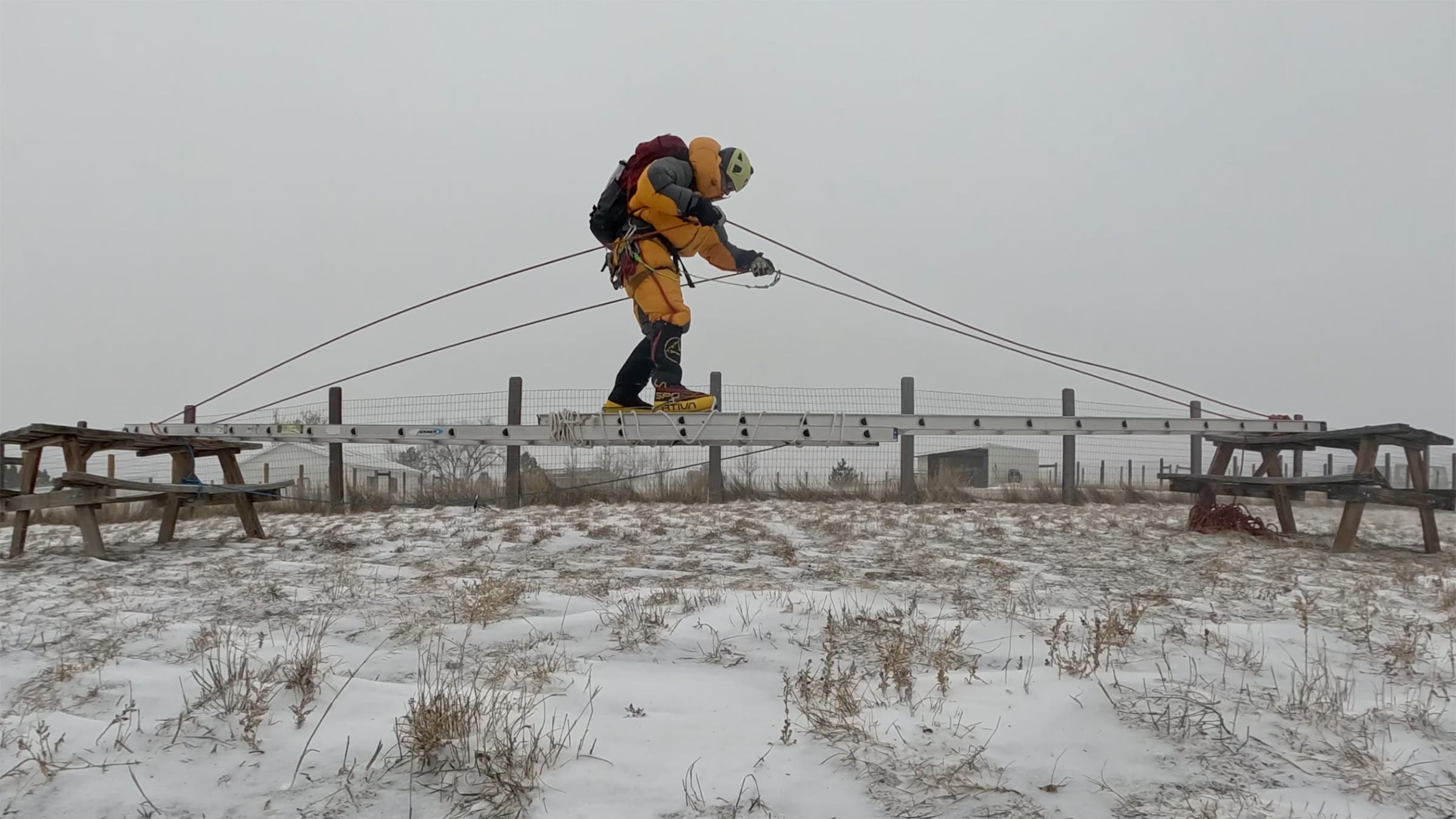
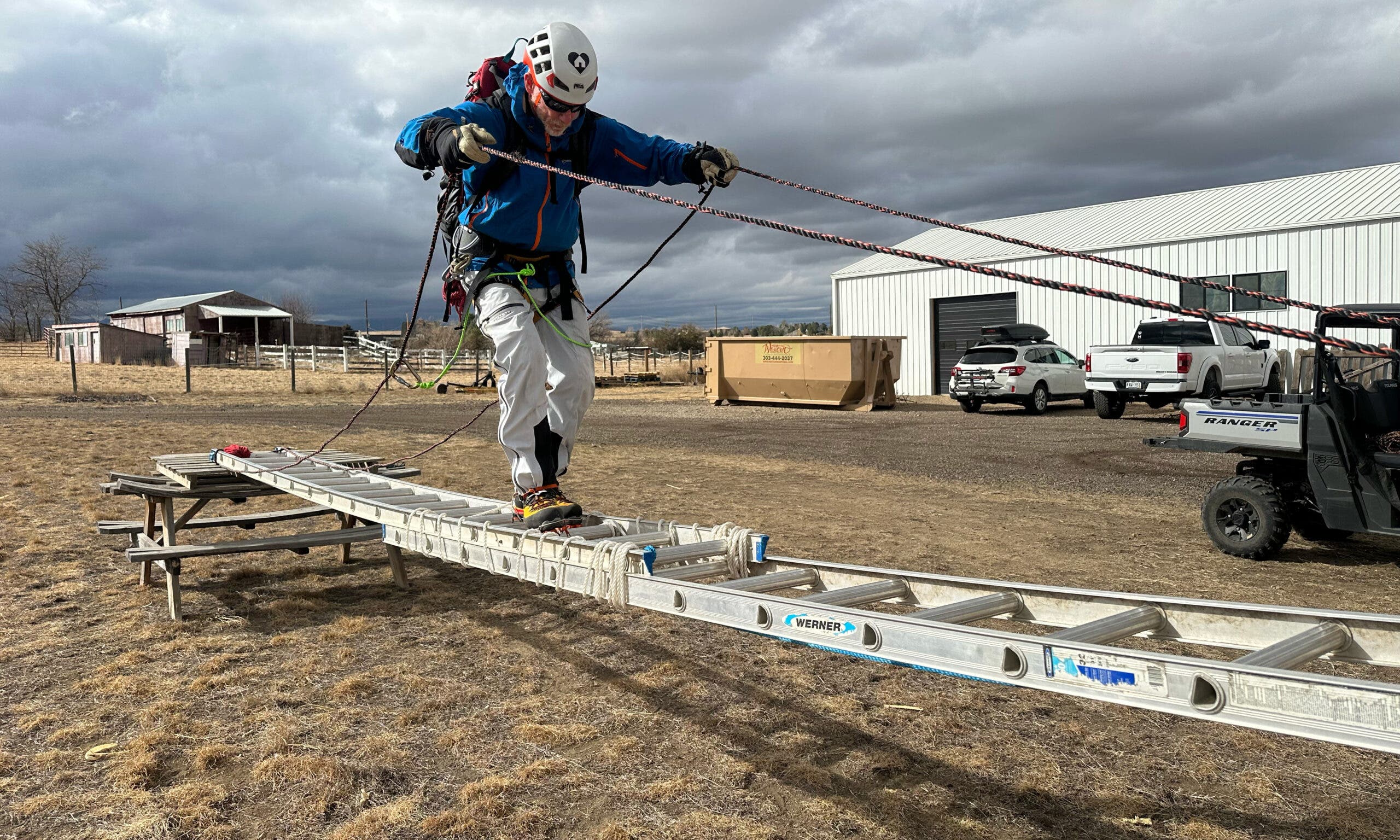
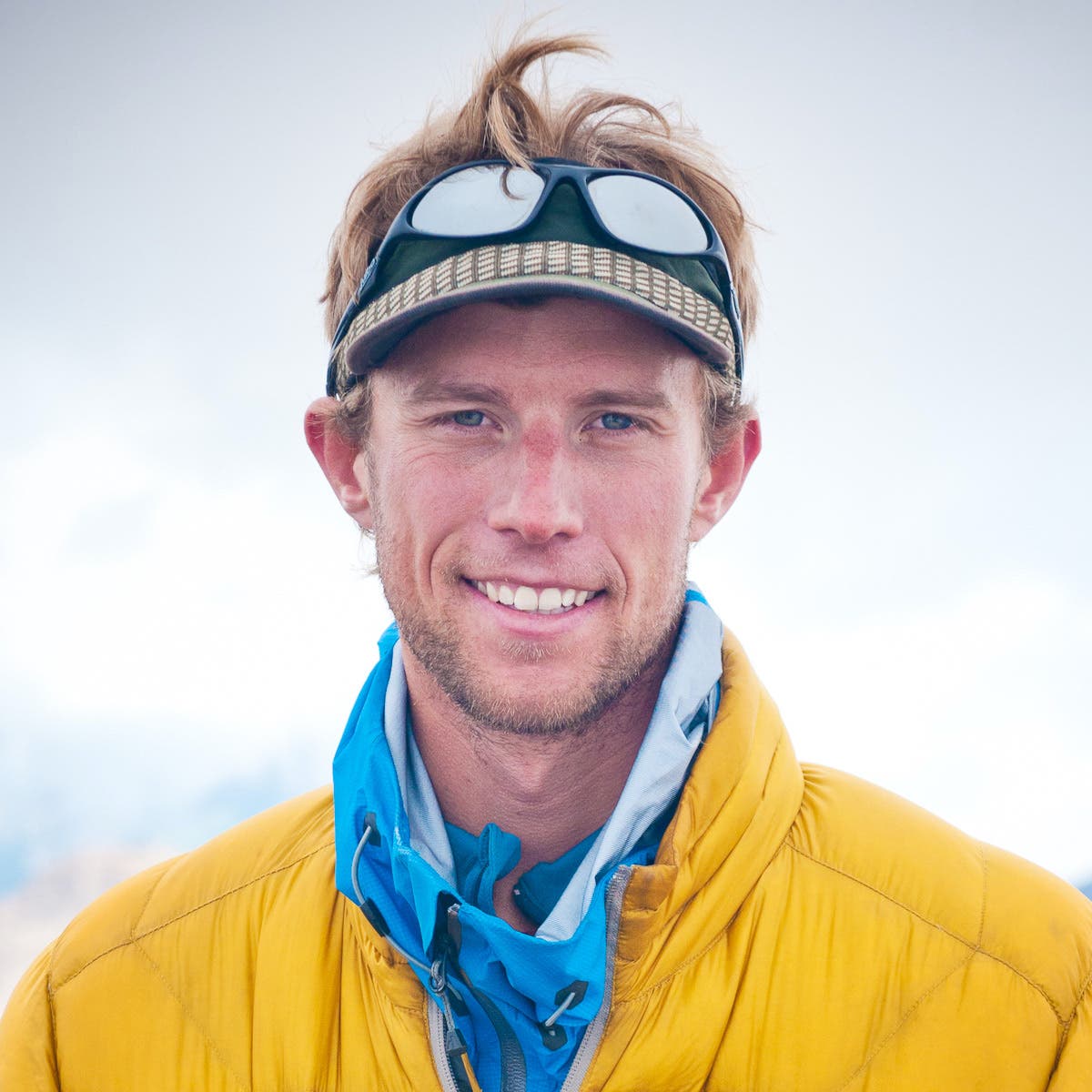
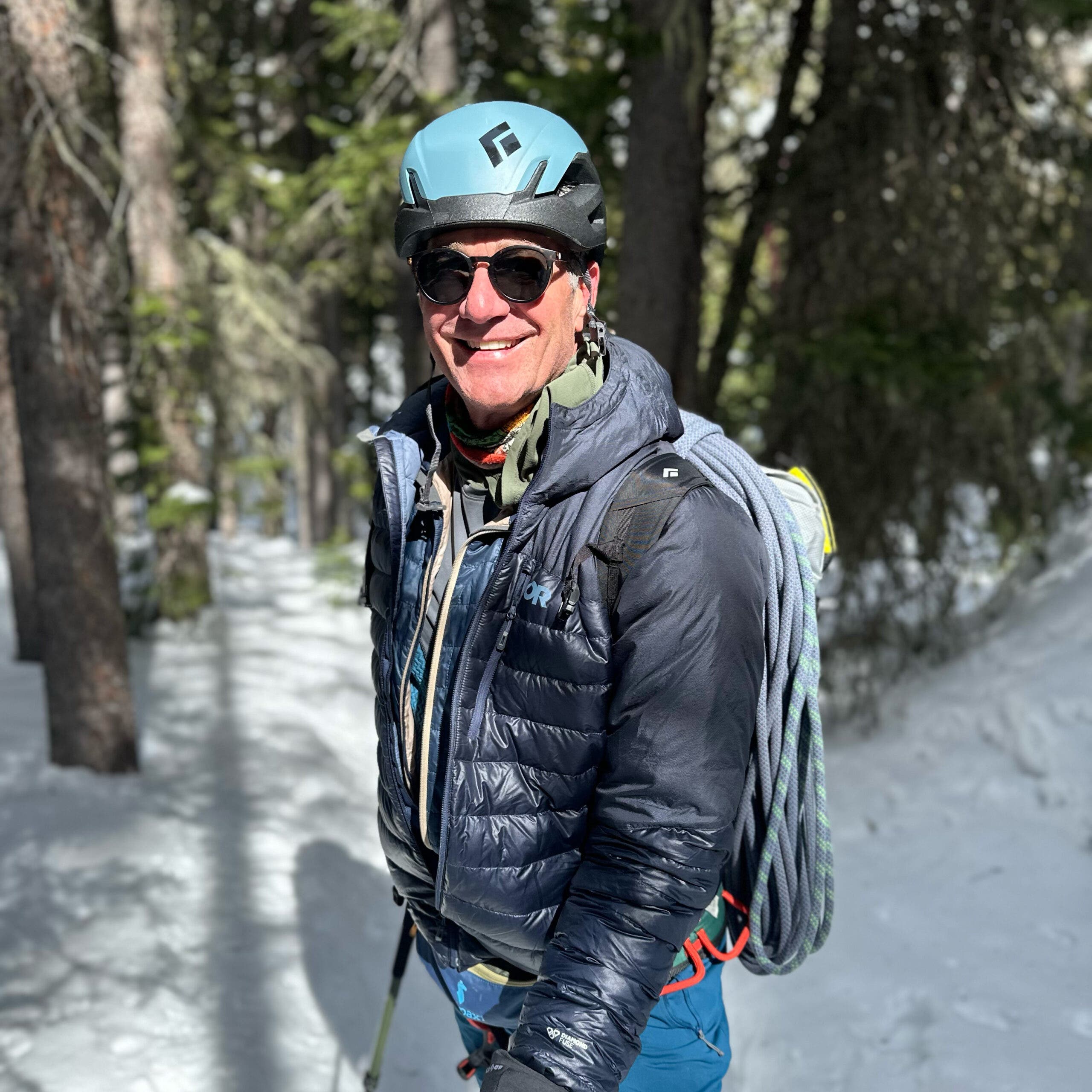
The screech of crampons on aluminum echoes across the cattle pasture, prompting two cows to cast bewildered glances in my direction. In front of me, Andy Pemberton, the cows’ owner, teeters on a horizontal metal ladder suspended 25 feet between two wooden picnic tables. Pemberton, 58, bounces slightly as he takes each meticulous step. He is clad in a pair of high-altitude expedition boots, a thick mountaineering parka, and a plastic climbing helmet. It’s the same gear that, a month from now, he will wear on the slopes of Mount Everest.
“I’m trying to teach myself to just be calm,” Pemberton tells me as he takes another stride. “If you trip and fall at 20,000 feet your heart rate is going to spike.”
I close my eyes and envision Pemberton crossing one of the ladder bridges in the Khumbu Icefall, the crevasse-filled glacier at the foot of Everest, and not wobbling between livestock pens here in Northern Colorado’s farmland. There’s more scratching and screeching as he takes a few steps. Three goats and a shaggy pony join the audience.
I’ve known Andy Pemberton for nearly 20 years: in the mid-aughts we worked together at the cycling magazine VeloNews. Back then, Pemberton competed in Ironman triathlons and adventure races. A few years ago, he traded his media career for farming after purchasing land outside of Lafayette, Colorado. He also got hooked on mountaineering.
Pemberton learned to ice climb, then became a regular at the local rock gym. After climbing high peaks in the Rockies and tackling crags around Boulder, he ascended 22,349-foot Ama Dablam in Nepal in 2022. That’s when he set his sights on Mount Everest.
“I’m standing on top and I can see Everest 12 miles away,” Pemberton says. “I just felt like, I can do this. I belong here.”
ADVERTISEMENT
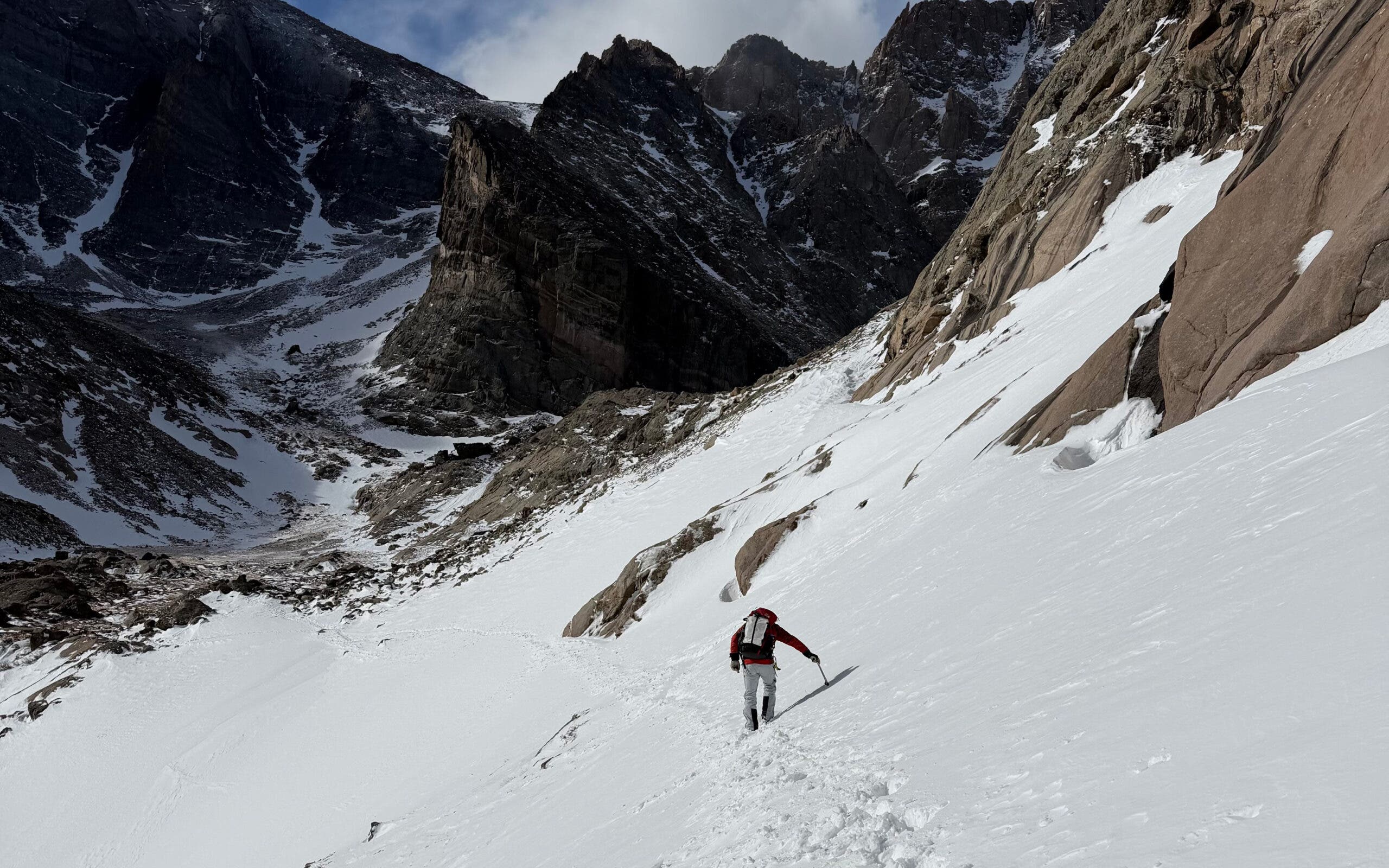
In early 2025, Pemberton hired a coach and started a training regimen of long runs and punishing hikes in the foothills around Boulder. Pemberton also set out to, as he says, “put my nose in the shit,” i.e. to try and recreate some of the hardships he’s likely to encounter above Base Camp. Alongside his brother, Chris, he ventured onto the slopes of nearby 14,259-foot Longs Peak during winter to let howling winds tear at his face. He also built this ladder bridge on his farm.
“If preparing for Everest was just going to be a bunch of running laps and lifting weights, it would have been a really long year,” Pemberton says, stepping down from the ladder. “This stuff is a blast. It’s like recess for me.”
Every year, hundreds of climbers across the globe train for Everest in much the same way. The rapid growth of the commercial guiding industry has opened the door for mountaineering enthusiasts and adrenaline chasers to try for the summit. In 2025, Nepal granted 517 climbing permits to foreigners. Most of them, like Pemberton, were relatively new to high-altitude mountaineering.
ADVERTISEMENT
The industry of Everest coaches, trainers, and workout plans has ballooned to meet this demand. Today, a hopeful Everest climber can scan the Internet and quickly find a six- or twelve-month workout plan to help them prepare for the grueling ascent. Coaches offer in-depth training advice and one-on-one guidance.
Most of this guidance is built around the same sports science that helps ultramarathon runners and cyclists prepare for their competitions. In many ways, Everest climbing has rapidly shifted from a skills-based pursuit to a mass-participant endurance sport like Ironman.
“Your legs and lungs don’t know if you’re scaling the North Face of the Eiger or running your local 10K,” Scott Johnson, a longtime Everest coach, says. “To be successful in the mountains, you need a lot of low-intensity endurance training—the same stuff more traditional endurance athletes do.”
These training plans vary in price and length, and can be tweaked to help a climber living in Colorado or near the beach. Some climbers, Pemberton included, find ways to add individualized flair—like bouncing on a makeshift ladder bridge. Still others seek out experiences on high mountains as an attempt to learn the climbing skills and build confidence for their ascent.
ADVERTISEMENT
Whether or not building a budding alpinist’s cardiovascular engine is the correct way to conquer Everest is, of course, open to debate. Some coaches and Everest experts maintain that the endurance training is simply one piece of the preparation puzzle. But, like all dynamics involving the world’s highest peak, there’s no sign that this budding wing of the industry has any plans of slowing down.
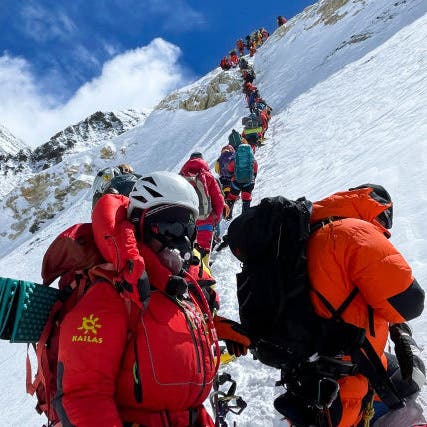
You may know the broad brush strokes of how life on Mount Everest has changed over the past 30 years. Today, most of the climbers who push for the summit are paying clients of commercial guiding companies, which provide them with Sherpa support, bottled oxygen, and the occasional gourmet meal. Back in the eighties and early nineties, Everest was reserved for only the most hardcore alpinists.
The way that these two cohorts prepare for the climb has some similarities, but far more differences. American alpinist Conrad Anker, 63, told Outside that in the nineties, elite climbers simply spent hundreds of days each year in the mountains to stay in shape.
“People just went out and climbed a lot,” he said. “There was always a question of how tough you were. How well you could suffer. That was the measuring stick.”
Before his own Everest expeditions, Anker would attempt to suffer his way into shape by simulating the extreme cold and punishing exertion he was likely to experience on the mountain. He’d carry a weighted backpack on long hikes and seek out miserably frigid situations.
“I’d go out wallowing in deep snow,” Anker said. “I’d sleep out in the open in my down suit to shock my system for the cold.”
ADVERTISEMENT
Other climbers of this era recounted stories of more extreme training regimens. Alpinists would tow a stack of tires behind them, jog up mountainsides, or submerge themselves in icy cold lakes as preparation.
“The most influential piece of training media was the Rocky movies,” says Steve House, a mountaineer, coach, and author.
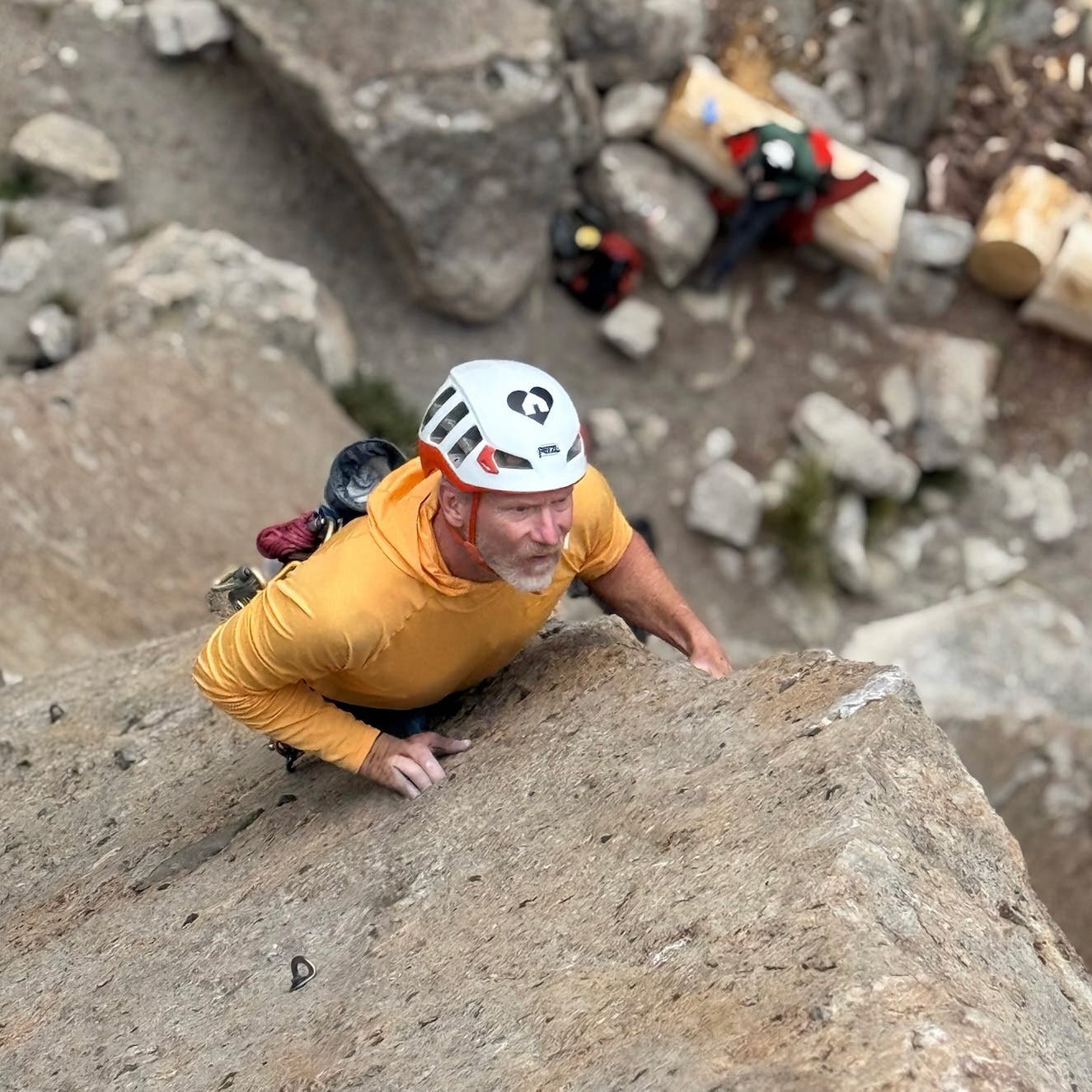
House became a celebrity in the nineties and mid-aughts within the tight-knit world of elite alpinism by recording first ascents on some of the toughest routes in North America. But he often struggled with fatigue and exhaustion—a byproduct of pushing himself too hard without proper training.
“At some point I hit a plateau and wasn’t getting better,” he says.
House regularly climbed with an American alpinist named Scott Johnston, who also coached competitive Nordic skiers. A former elite swimmer, Johnston had spent decades reading about endurance training for runners and cyclists, and applying the science to his skiers.
ADVERTISEMENT
Endurance training is structured into different periods. Early in the season, athletes complete high-mileage workouts at a slow pace to build cardiovascular endurance. Then, as competitions approach, they switch to higher-intensity workouts to build strength and speed, with stretches of recovery to allow muscles to rebuild and adapt. Shortly before a race, athletes rest, or taper. This structure leads to a burst of performance that can last for several weeks.
Johnston and House often talked about training philosophies, and in the early aughts, House applied them to his expeditions. He began jogging regularly and training on cross-country skis. He’d rest, build his fitness, and then try to peak for expeditions.
“Suddenly Steve was the fittest guy on these high mountains,” remembers Johnston. “He already had the technical skills; he just needed to build well-rounded endurance.”
House noticed the difference during his 2004 ascent of the North Face of North Twin peak in the Canadian Rockies, which he climbed alongside Marko Prezelj of Slovenia. In previous expeditions, House was usually a few steps slower than Prezelj. But during that trip, House led the way.
“The tables had turned, but only after I applied a few years of intelligent structured training,” he said.
ADVERTISEMENT
House went on to etch his name into alpine climbing’s history books: in 2005 he completed the first alpine-style ascent of the Rupal Face of 26,660-foot Nanga Parbat alongside Vince Anderson. The climb earned the duo the prestigious Piolet d’Or award, the highest honor in alpine climbing.
In 2013, House approached Johnston with an idea: write a book that explained endurance training to mountaineers. The industry of guided expeditions up Everest and other high peaks was exploding. But the workouts these client climbers followed often resembled Cross-Fit or other high-intensity interval training. Perhaps some of these new climbers would benefit from the endurance concepts that had propelled House a decade before.
“There’s this scientific understanding of how to train athletes for endurance sports,” House said. “Nobody had translated it to unconventional sports like climbing.”
House had been encouraged by famed mountaineer Rick Ridgeway, who was a vice president at apparel brand Patagonia, and presented the book idea to Johnson during a Skype call. Johnson was initially skeptical.
“I thought we’d be lucky to sell 1,000 copies,” he says. “Steve had to pester me into doing it.”
It took several months, but they wrote 300 pages into a Microsoft Word document. The information presented a basic guide for endurance training: mountaineers should spend weeks or months jogging or doing long and slow hikes to build their aerobic base, before doing more high-intensity and specific training for a climb. In 2014 Patagonia published the book, which was titled, Training for the New Alpinism: A Manual for the Climber as Athlete.
The book was a hit. It sold more than 4,000 copies in the first month, and by the end of 2014 it had cracked 12,000, House said. To date, the book has sold nearly 50,000 copies.
Over the next year, the two traveled to book stores to boost sales and give in-person talks, and climbers peppered the two men with questions about how to train. Not everyone agreed with their approach.
ADVERTISEMENT
“People challenged us, like ‘I shouldn’t go climbing; I should go running?’ They didn’t like that,” Johnston says. “I just told them if they had plateaued in their fitness, they should attack it from a different angle.”
The methods quickly caught on in the climbing community. Athletes reached out to House via his personal website and asked him for coaching advice. Others contacted House and Johnston over the phone to inquire if the men would coach them ahead of a climb. The two recognized a business opportunity, and in 2016 House and Johnston founded a coaching business called Uphill Athlete.
They opened an account with TrainingPeaks, the software platform that thousands of coaches across the globe use to deliver workouts to athletes. They hired additional coaches. Still, House and Johnston couldn’t keep up with the growing demand.
“At one point we had a waiting list with 80 names on it,” House says. “We didn’t know how much to charge people—we compared it to the cost of a gym membership.”
ADVERTISEMENT
House and Johnston published standardized training plans online and began selling them at a lower price point. In 2019, the two worked with Catalan ultrarunner Kilian Jornet to publish a follow-up book, which widened the audience to include training advice for ski mountaineers and ultrarunners. That book, Training for the Uphill Athlete, was another hit. To date it has sold more than 50,000 copies.
The business grew even faster during the Covid pandemic, as more people sought personal challenges in the mountains.
“We wanted our books to be so good that nobody would ever need coaching or a training plan,” House says. “The opposite thing happened. We started an industry.”
The literary success and rapid growth of the Uphill Athlete business had consequences. In 2022, House and Johnston abruptly ended their professional relationship. After a disagreement, Johnston left the company.
“We had very different views of how the business should operate,” Johnston says.
But by then, two men had entrenched the concept of endurance training into the Everest community and industry. More coaches around the country launched businesses. Boutique climbing guides and local climbing instructors quickly added endurance plans to their offerings.
ADVERTISEMENT
Even the major guiding companies got on board. Tashi Lakpa Sherpa, one of the co-owners of Everest’s largest guiding company, Seven Summits Treks, says his firm now offers endurance training plans for its climbers.
“We focus on endurance training, such as running six to eight miles three times a week, and incorporating uphill hikes with a 30-pound backpack,” Tashi Sherpa told Outside.
Today, Uphill Athlete has 16 coaches, and each instructor works with anywhere from 20 to 30 clients. In 2022 Johnston opened his own coaching business, called Evoke Endurance, which works with alpinists, trail runners, and other types of athletes. Like Uphill Athlete, it offers a wide range of services, from written workouts, to personalized coaching.
“I think most people now understand that going out and hiking uphill for hours at a time to build your aerobic base,” Johnston says, “that’s the engine that’s going to get you to the top of the mountain.”
Now it’s my turn to wobble across the ladder at the Pemberton farm. With each bounce of the bridge, I can feel my quadriceps and hamstrings tense up. I’m wearing tennis shoes for my crossing, and surmise that doing the obstacle course in crampons would lead to, at best, a twisted ankle, at worst, a broken bone.
“I almost faceplanted,” Pemberton says. “Just take your time. You don’t need to rush.”
Pemberton has adopted the don’t rush mentality of late—the byproduct of a setback in his Everest prep. After starting his endurance regimen in June of 2025, he gradually increased his weekly mileage of running and hiking. But then, in September, he felt a sharp pang in his knee.
By then, Pemberton had higher stakes around his Everest climb. He had joined the board of a nonprofit called Nivas, which builds homes for Nepali single mothers living below the poverty line. He had also launched a fundraising campaign for Nivas called Project Ascend on social media. Climbing Everest was now the cornerstone of his plan to raise $100,000 for the nonprofit.
Rather than jeopardize everything by pushing through the pain, Pemberton stopped and saw a doctor. In November he underwent surgery to fix a torn meniscus, rested for a few days, and then gradually got back to his workouts.
ADVERTISEMENT
“My return was patient, I came back slowly on the running side,” Pemberton says. “It’s easy to get injured at my age.”
Having a year to prepare gives an Everest climber the wiggle room to deal with minor setbacks and injuries. When an Everest coach first meets a new client, one of the first questions they ask is do you have enough time for the training?
“The biggest failure I see is people trying to cram training in at the end, or doing too much in their lives outside of training when they should be preparing for Everest,” says Leif Whittaker, a coach with Evoke Endurance. “Everest can’t be one of seven different things you’re juggling.”
Whittaker’s name may sound familiar to Everest fans. His father, Jim Whittaker, was the first American to stand on the summit in 1963, and his uncle Lou is the founding father of American mountain guiding. After scaling Everest twice himself and working as a guide, Leif Whittaker started coaching in 2021. Since then, he’s helped 25 climbers attempt the peak. At any given time, he’s coaching approximately 30 different athletes across multiple sports.
After learning about his client’s athletic background and time constraints, Whittaker then asks some other basics: Has the climber ever been to extreme altitude? What are their strengths and weaknesses? Does the climber have easy access to hills or mountains?
ADVERTISEMENT
“You need to get vertical. We can fill some of your volume with cross-country skiing, or running on the flats, or upright activities like cycling,” Whittaker, who is 41, says. “But it won’t transfer all the way. You need uphill time.”
There are workarounds if an athlete can’t find a hill, such as the Stairmaster at the gym, or a home treadmill with an aggressive incline setting.
“We had an athlete in the past who trained entirely in the stairwells of skyscrapers in New York City,” Whittaker says. “Others have just used the stair machine at the gym for hours. You’d better have Netflix or a good audiobook to keep you entertained.”
ADVERTISEMENT
For the first six months of a year-long plan, Whittaker prescribes anywhere from 8 to 12 hours a week in training, mostly uphill hiking, skinning on skis, or running. Each week, an athlete does four aerobic workouts—one must surpass two or even three hours in duration. He also has an athlete complete two weight-lifting sessions to build core, leg, and upper-body strength. Like the endurance stuff, the weights are periodized: the first few weeks are high-repetitions with low weights, followed by a period of heavy weights and low reps.
House says the weight lifting isn’t about getting buff—it’s about preparing the body for the rigors of the climb.
“You’re trying to build the climber’s chassis to make them less prone to injury during the training and climbing,” House says. “But you don’t want a climber to bulk up with muscle because they have to carry that up the mountain.”
The climber’s weekly hours increase as this period goes along. Every four weeks, an athlete completes a period of rest. At some point during the first six months, an athlete completes a “peak week”—a stretch of extremely high volume, sometimes up to 20 hours.
After six months, the workouts get harder and more intense. A climber will start carrying a weighted backpack during the so-called “fatigue-resistance phase.”
“Steep terrain, heavy loads,” Whittaker says. “We burn the crap out of your legs.”
ADVERTISEMENT
The heavy pack may seem extraneous—on Everest, climbers rarely ascend the mountain carrying more than a few pounds of gear. The rest is hauled up by porters. But House says the weighted pack builds strength and helps a climber adjust to life on the mountain.
“We want them using the pack they’re going to have on the mountain, wearing the same boots, trying out sock combinations,” House says. “There’s a lot of fine-tuning your preparation, like you’re getting ready for a race.”
Starting several weeks before Everest, a climber begins to taper. Workouts become shorter and easier. There’s more emphasis placed on rest and sleep. A climber should eat enough protein and carbohydrates to boost energy stores.
What does access to this information cost? Both Evoke Endurance and Uphill Athlete offer pre-written workouts that range from $49 to $100. Mountain Tactical Institute, the company that Pemberton has hired, offers a 23-week Everest training plan for $159.
Hiring a personalized coach like Whittaker costs more. Uphill Athlete charges $399 a month for one-on-one coaching and Evoke Endurance offers similar guidance for $350. Cascade Endurance, another training company for alpinists, offers a coaching plan for $325.
ADVERTISEMENT
Unlike a static training plan, a coach can field questions, offer advice, adjust the schedule for injuries, and administer a human touch. Like many endurance coaching relationships, helping a person train for Everest can sometimes feel like working as a psychotherapist.
“You get to know a person really well,” Whittaker says. “I get to know their families, their interests, their fears. It’s a really intimate relationship.”
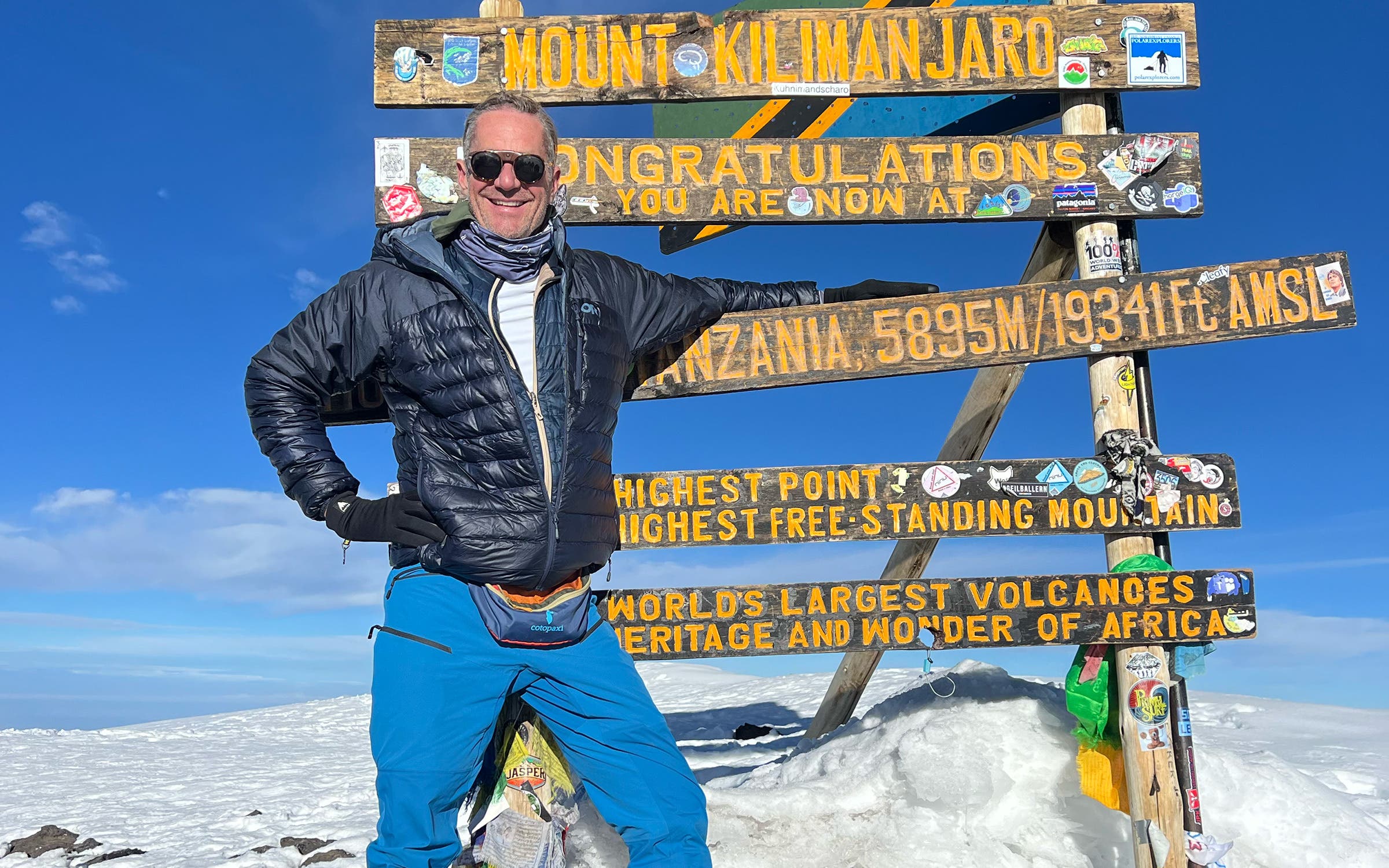
Jeff Chase presses his shoulders into a black metal weight sled, the type you might see NFL linemen push during training camp. At the count of three, Chase, 60, grunts and shoves the apparatus across the floor of a weight room. Unlike the other gymgoers at this workout facility in Delray Beach, Florida, Chase is clad in $1,000 mountaineering boots.
“When I’m at home I train like I’m a wrestler or a boxer,” Chase tells me. “I look at all of these workouts as tiny challenges within the bigger challenge.”
Like Pemberton, Chase will attempt to scale the peak this spring. He’s had to do most of his training in coastal Florida, where the tallest geographic features are highway overpasses. It’s forced him to get creative, like lifting weights in alpine boots.
Chase has been training for five years with the peak’s summit as his goal. Reaching the top, he tells me, is part of a wider change in lifestyle that has kept him from an early grave.
“I was drinking vodka straight out of the bottle. I was an alcoholic, and I was miserable,” Chase says. “I was lying on the couch after a relapse, and had an epiphany: Jeff, you’re going to climb Everest.”
This moment occurred in 2019, and at the time, it seemed insane. Chase was in his mid-fifties, a father of four, and a lifelong workaholic with a job in finance. He was 60 pounds overweight and, as he says, “I’d never climbed anything higher than a ladder.” His house in Delray Beach was thousands of miles from any sizable mountains.
ADVERTISEMENT
Chase hired a physical trainer, went on a diet, and started lifting weights and doing yoga. In 2022 Chase hiked to Everest Base Camp in Nepal, which sits at 17,500 feet. He thrived on the hike and believed the next step was to try for the summit. He hired a Colorado-based climbing instructor named Jesse Ramos to whip him into climbing shape.
Ramos, 47, marveled at Chase’s goal-driven attitude. But he also told his new client that he needed to pump the brakes.
“Jeff had a lot of enthusiasm,” Ramos, 47, told me. “I didn’t think his turnaround time for climbing Everest was doable.”
Ramos surmised that, as a novice living at sea level, Chase needed more than just endurance training and a weight-lifting plan. Chase needed to learn basic alpine skills, ascend technical peaks, and spend time at high altitude. And that was impossible to do in Florida.
ADVERTISEMENT
The two came up with a plan: Chase would continue to train his legs and lungs in Florida by pushing the weighted sled and doing cardio. But he’d travel to Colorado one week out of each month to learn how to climb. Then, every four or five months, Chase would ascend a challenging peak. In 2022, Chase retired from his career in finance to climb full-time.
“It was the stair-stepping approach,” Chase says. “There was no way to set up a replica of these mountains anywhere near me.”
In April of 2023, Chase returned to Nepal to scale 20,310-foot Island Peak, about seven miles southwest of Everest. Just below the summit, he suffered a debilitating case of high-altitude pulmonary edema, a life-threatening sickness where fluid enters the lungs, and had to be evacuated to safety. The setback marked a warning for Chase. But after recovering in Florida, he decided to continue with his dream.
The next year, Chase completed Kilimanjaro and Mount Rainier. For the latter climb, he spent several months taking ice climbing lessons. He then ascended the treacherous Cables Route on Longs Peak. Then, in 2025, Chase traveled to Europe, where he climbed Mont Blanc and the Matterhorn. That trip, Chase says, taught him how to be comfortable in steep, highly exposed terrain.
ADVERTISEMENT
“I’d been leaning off one side of the Matterhorn and it was just a sheer drop,” he says. “Doing that again and again gave me a lot of confidence.”
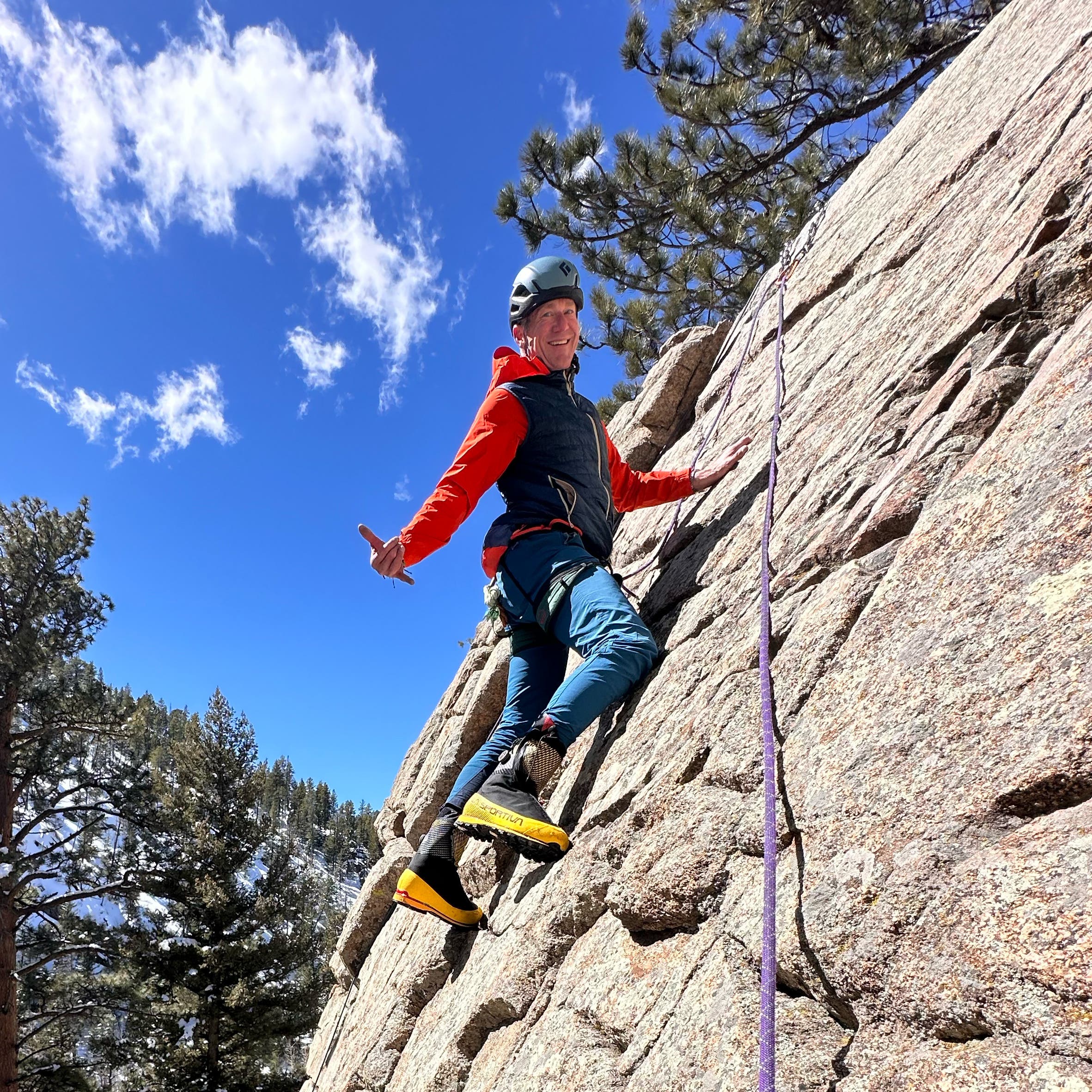
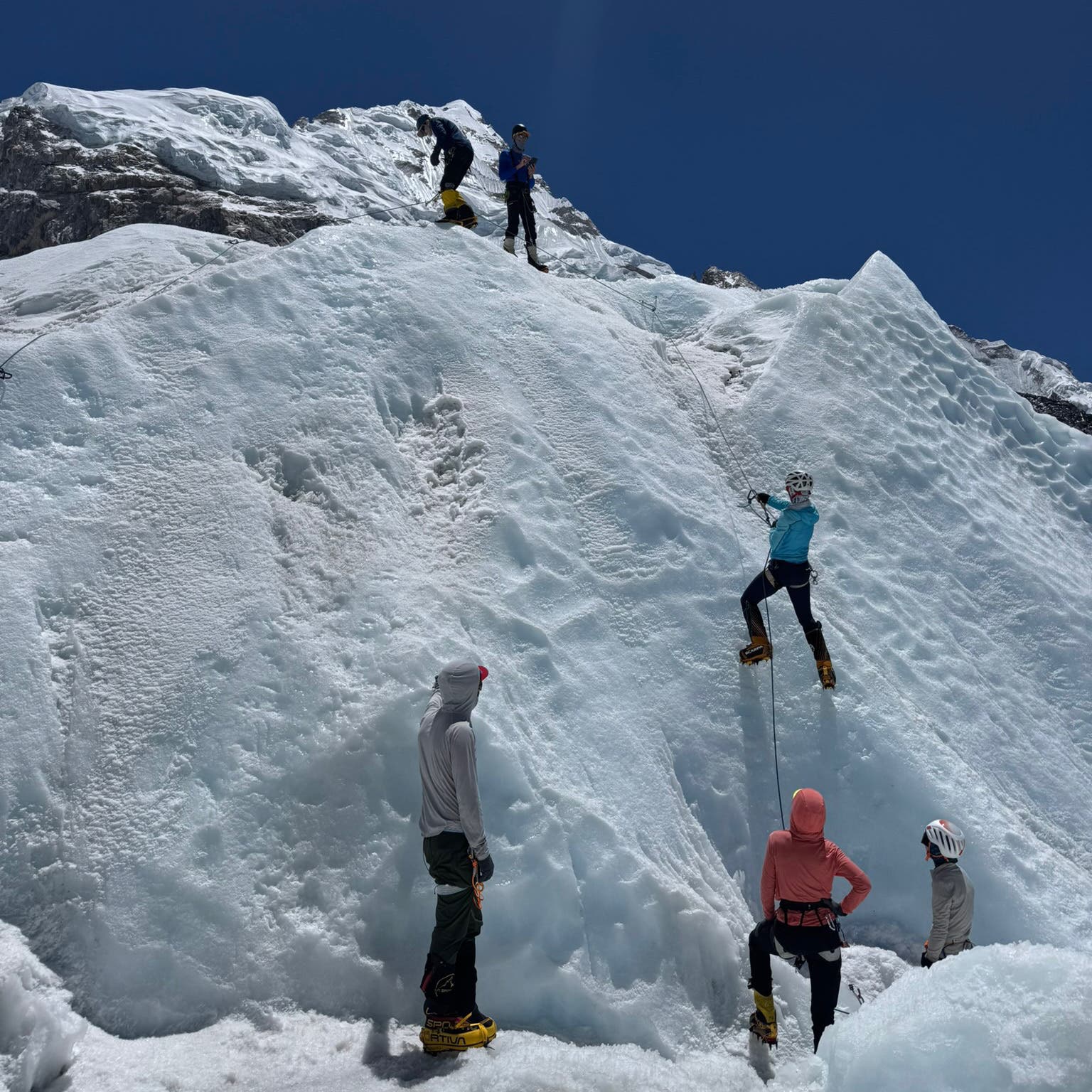
Chase’s progression is familiar within the world of Everest guiding. Since the early days of the industry, guides have pointed clients toward easier peaks prior to an Everest expedition to test their alpine skills. Ascents of Denali or Mount Rainier were also done to test a climber’s physical stamina.
Today, thanks to the popularity of endurance training, fitness is no longer a major problem with Evertest client climbers, guides told me. But clients still regularly arrive in Everest Base Camp lacking true alpine skills, as well as confidence on rock and ice.
“People are really fit when they show up now,” says Garrett Madison, a longtime Everest guide and founder of Madison Mountaineering. “They may not know how to put on their harness or how to put an ice axe into their backpack, but they are strong.”
ADVERTISEMENT
Some guiding companies put would-be Everest clients through a series of high-alpine tests before taking them to the mountain. Madison first steers Everest hopefuls to his company’s guided trips on Denali in Alaska and Aconcagua in Argentina, as well as to glaciated mountains in Ecuador, Peru, and Bolivia. On these mountains, client climbers must climb on glaciers, endure long days on their feet, and deal with painfully thin air. It’s a way to boost their skills, and to provide a mental and physical test to see if a climber is truly up to the challenge.
“If they’ve been on a mid-range glaciated peak like the Ecuador volcanoes or Rainier, and then done Aconcagua or Denali and made the summit, then that’s a good sign for Everest,” Madison says.
Austrian guide Lukas Furtenbach, who guides on both the North and South sides of Everest, requires that climbers take a basic alpine mountaineering skills course in North America or Europe before considering Everest. After that, Furtenbach presents several different trips to his Everest hopefuls: volcanoes in Ecuador, Mont Blanc in France, or Aconcagua. At 22,800 feet, Aconcagua is a true test of how a climber’s body will react at extreme altitude.
“If they climb Aconcagua without oxygen, they will get a really good feeling of what high altitude means,” Furtenbacy says. “And what it’s like to sleep up there and have a bad night and really suffer.”
ADVERTISEMENT
A client who passes this test, Furtenbach says, is ready for Everest. Tashi Sherpa of Seven Summits Treks says his measuring stick mountains include Ama Dablam and 16,024-foot Carstensz Pyramid in Papua New Guinea.
But even after completing these peaks, clients still often feel like fish out of water on Everest. Every spring, Madison teaches a refresher course on alpine climbing and glacier rescue to his Everest clients as soon as they arrive in Base Camp. “Once we get to Everest, I assume everyone has forgotten they knew about mountaineering,” he says.
And both Madison and Furtenbach stressed that a client’s fitness, alongside mountaineering skills, is extremely important for the climb. Madison steers his Everest clients to Evoke Endurance. Furtenbach includes the price of an Uphill Athlete coaching plan in his Everest trip.
“Our advice is to show up to your expedition in the physical condition of your life,” Furtenbach says. “That is a must.”
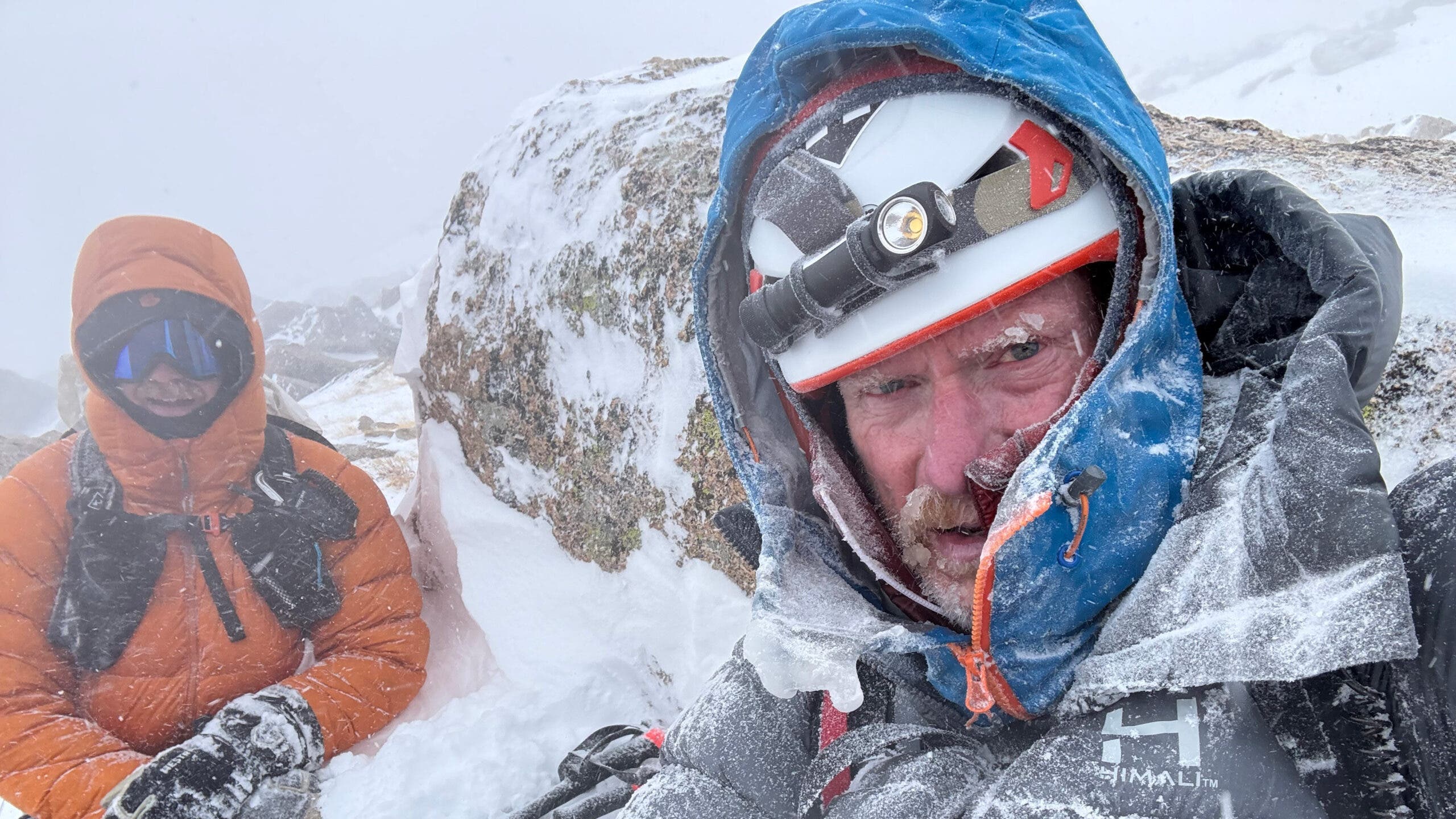
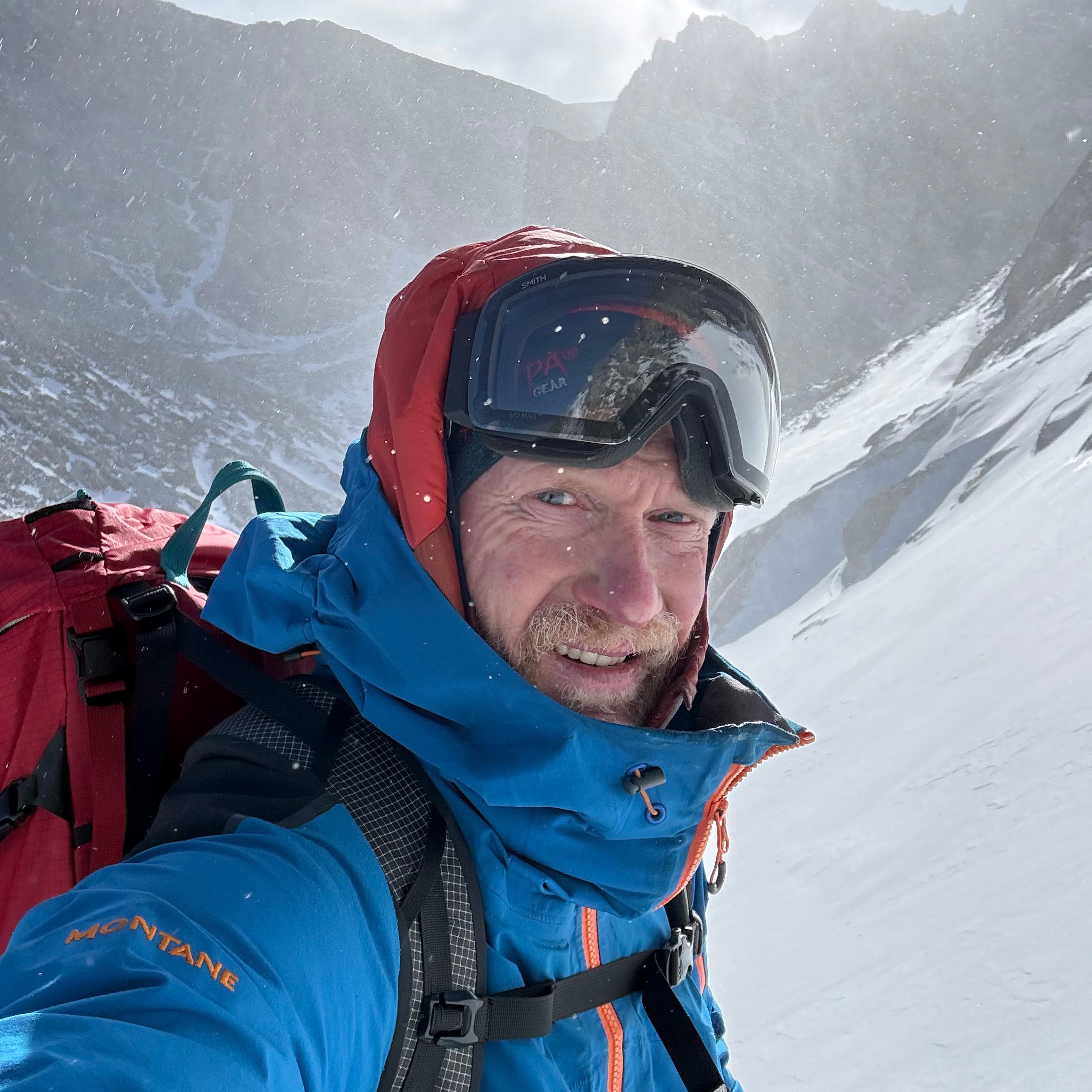
Pemberton shows me a video on his iPhone. In the clip, filmed by his brother, he’s trudging up the rocky Cables Route on Longs Peak as snow spindrifts around him. A massive gust blows across the barren, rocky landscape, and Pemberton nearly topples over from the force of the gale.
“That was a crazy day,” Pemberton says. “We were just getting hammered by the wind.”
Pemberton’s phone boasts dozens of video clips from his training sessions on the mountain and on other peaks in nearby Rocky Mountain National Park. Throughout the fall and winter, he ventured up Longs Peak eight times to ascend it via different routes.
Whether or not the trips to altitude will improve Pemberton’s pulmonary strength on Everest is yet to be seen—the summit is 4,000 feet lower than Base Camp. Pemberton says these outings fall into a different category of preparation that is similar to the Rocky-style of training that Anker and House described from 30 years ago. They have made him tougher.
“The weather is nasty. The winds are strong, and the boulder field has everything you want,” Pemberton says. “It had a huge impact on my confidence. It gave me comfort knowing that when it’s cold and windy, I can put my chin down and go.”
ADVERTISEMENT
There’s no Everest playbook for building a climber’s confidence and increasing one’s toughness. And the two qualities cannot be measured via a heart rate monitor or VO2 test. Thus, this area of Everest training is where coaches can get creative.
Jon Kedrowski, a Colorado-based alpine coach and Everest guide, invites his clients out to his home in Vail, Colorado, for a ten-day training camp. During the camp, the climbers complete mountaineering simulations to, as Kedrowski says, “build resilience.”
Kedrowski, 45, constructed an obstacle course consisting of rope ascents and ladder bridges in his brother’s backyard. After his clients try the course out during the daytime, Kedrowski makes them complete it at night.
“It prepares them for the anxiety of that part of the climb,” says Kedrowski, who has summited Everest four times. “I see people show up in Base Camp who haven’t even tried this stuff yet. I don’t want to have clients like that.”
ADVERTISEMENT
Kedrowski then puts his clients through another simulation that’s even more diabolical. He will wake his client up at midnight, pack their mountaineering gear into his truck, and then drive to the top of nearby 11,991-foot Loveland Pass. Then, they will complete a grueling 15-mile out-and-back trek that summits 13,433-foot Grizzly Peak, 14,278-foot Grays Peak, and 14,267-foot Torreys Peak at night.
“I tell them, ‘You’re going to hate this. You’re going to feel like crap. But this is what summit day is like,’” Kedrowski says. “This is a huge part of the mental preparation for Everest.”
There’s wisdom behind this type of training , even if it cannot be quantified. Most elements of life on Everest—from the howling winds, to the bone-chilling cold, to the unpredictable schedule—create stress for a climber, especially a novice. For some climbers, the rising tide of emotional stress on Everest can become overwhelming.
“Climbing Everest is in some ways like a video game—you start with 100 percent battery power and then the mountain wears you down,” Kedrowski says. “If you go for the summit at 60 percent power, you’re not going to make it.”
ADVERTISEMENT
Johnston categorizes this type of preparation as “sport-specific training,” and likened it to the methods Anker and others pursued in the nineties. Specific training, he said, can help a climber build resilience and hone in on the details. But Johnston stresses that this type of preparation can’t be the bedrock of an Everest climber’s fitness training.
It’s simply too grueling, he says.
“Eliud Kipchoge shouldn’t run a marathon every single day—that would be crazy,” Johnston says. “You need to do different kinds of training, at different intensities, and then build it together.”
Jeff Chase teeters along a ladder bridge strung up in a suburban neighborhood in Boulder. It’s his final trip to Colorado before embarking for Nepal.
I ask Chase how his approach to Everest would have been different had he lived in a mountainous state out West, where he’d have easy access to elevation gain, alpine guides, and thin air.
“I wonder if I would be as focused and dialed-in as I am living in Florida,” he says. “I think that doing this from sea level has required a level of engagement that I’ve really enjoyed, and I don’t know if I’d have had that here.”
ADVERTISEMENT
Whether Chase’s stair-step approach or Pemberton’s put-your-nose-in-the-shit method is the better Everest prep is, of course, yet to be seen. When I presented both plans to my Everest experts, they said both had their individual merits. The best training plan for Everest, they told me, is one that gives a climber the fitness, skill, and self-confidence to excel in an alpine environment. Skimping on any of these qualities has consequences.
“You can have legs of steel and huge lungs,” says Anker, “But if you don’t have foundational experience in the mountains, you might not be able to psychologically deal with what’s up there.”
What’s not in question is how Chase and Pemberton have both benefited from the shifting dynamics on the world’s highest peak. In the eighties or early nineties, they would have been true oddities on the slopes of the mountain: two guys pushing 60, semi-retired, both aiming to reach the top. Today, this archetype is easy to find in Base Camp.
ADVERTISEMENT
While guiding industry’s rapid expansion has fueled this shift, the growing market of training plans and Everest coaching also accelerated it. Everest’s evolution as a top prize for alpinists to a destination for tourists has been much maligned in the press over the years, sparked by the 1996 deadly disaster on the mountain and by the bestselling book, Into Thin Air, the following year. I asked both House and Johnston how they feel about their own contribution to this shift.
Both men said that helping climbers attain top fitness can only help them survive in an inhospitable environment. “The door had already been opened for the novice climber to come and climb these mountains,” Johnston says. “All we’ve done with these books is to give you more of a fighting chance to come home to your families.”
House says that endurance training fit into a tenet of mountain climbing: speed is safety.
“The faster you’re up and down the mountain, the less time you are exposed to the uncontrollable dangers of the mountain,” House says.
ADVERTISEMENT
House, who was an outspoken advocate for pure, alpine-style climbing during his professional career, says his perspectives have softened since becoming a coach. Decades ago, he criticized the use of bottled oxygen on Everest and looked down his nose at the throngs of client climbers trudging to the top. Coaching these athletes, however, has given him a new appreciation for their own draw to the high peaks.
“I’ve shed a lot of my judgment. They want to be on the mountain when the sun comes up, which is the same as me,” House says. “These people love the mountains just as much as I do.”
For some percentage of the clients on Everest, the motivation to ascend the peak is tied more to the process than the end goal. In 1985, American businessman Richard Bass famously ushered in the era of guided expeditions on Everest when he reached the the top alongside his helpers. Bass, who was 55 at the time, openly admitted that he trained very little before his various mountaineering challenges, and instead preferred to suffer his way to the top.
That’s not the case with Chase and Pemberton. Both men stressed to me that the process of acquiring mountaineering skills, building fitness, and preparing for Everest is more important to them than whether or not they someday reach the top.
ADVERTISEMENT
For Chase, the personal transformation is tied to his sobriety. “I didn’t want this to just be an athletic event,” Chase tells me. “I really wanted to become an alpinist.”
Pemberton echoes this sentiment as he doles out bales of alfalfa to hungry goats near his ladder bridge. Decades ago, Pemberton read books about Everest and idolized the elite climbers who shared their tales of adventure. He rock climbed as a hobby when he was young, and often wondered whether he could someday transform into a climber capable of navigating the Khumbu Icefall and ascending the Lhotse Face to the top.
As he entered the workforce, had children, and followed his career in media, those dreams seemed to vanish. And then, they reappeared decades later as he approached retirement. If he couldn’t chase Everest at age 58, he surmised, it would never happen.
“Why not dream?” Pemberton says.