Stephanie Pearson knows a good hike. She’s scouted hundreds of trails all over the world for her best-selling book 100 Hikes of a Lifetime. The sequel, 100 Hikes of a Lifetime U.S.A., is out now (published April 7) and features the most scenic trails, day hikes, and pilgrimage treks across the country.
The National Geographic explorer and longtime Outside contributor has spent decades hiking and reporting from all over the world, from Himalayan peaks and the remote Falklands Islands, to closer to home in Minnesota. In her latest book, she spotlights unforgettable journeys you don’t need a passport to visit, such as a bucket-list adventure on the Pacific Crest Trail to a day hike up Virginia’s Old Rag mountain.
Pearson covers the American Discovery Trail, an epic 6,800-mile, coast-to-coast route from Point Reyes National Seashore in California to Cape Henlopen State Park in Delaware; a Grand Canyon rim-to-rim route, and a 24-mile, one-way trek through two billion years of geological history. She shares inside tips for one of her go-to hikes in her own backyard: The Superior Hiking Trail, which starts in Duluth, Minnesota, and follows the shoreline of Lake Superior to the Canadian border for a grand total of 37,800 feet of elevation gain— almost 10,000 more feet than climbing Mount Everest.
ADVERTISEMENT
Not all of the trails in her book are in the national trails system. Pearson includes the UNESCO-recognized Wanderer Memory Trail on Jekyll Island, Georgia, a half-mile interpretive path that tells the story of one of America’s last known slave ships.
Outside caught up Pearson to find out what makes a “hike of a lifetime,” her most challenging treks in the U.S., and her advice on how to avoid crowded paths while still enjoying the country’s greatest hits.
What Makes a “Hike of a Lifetime”?
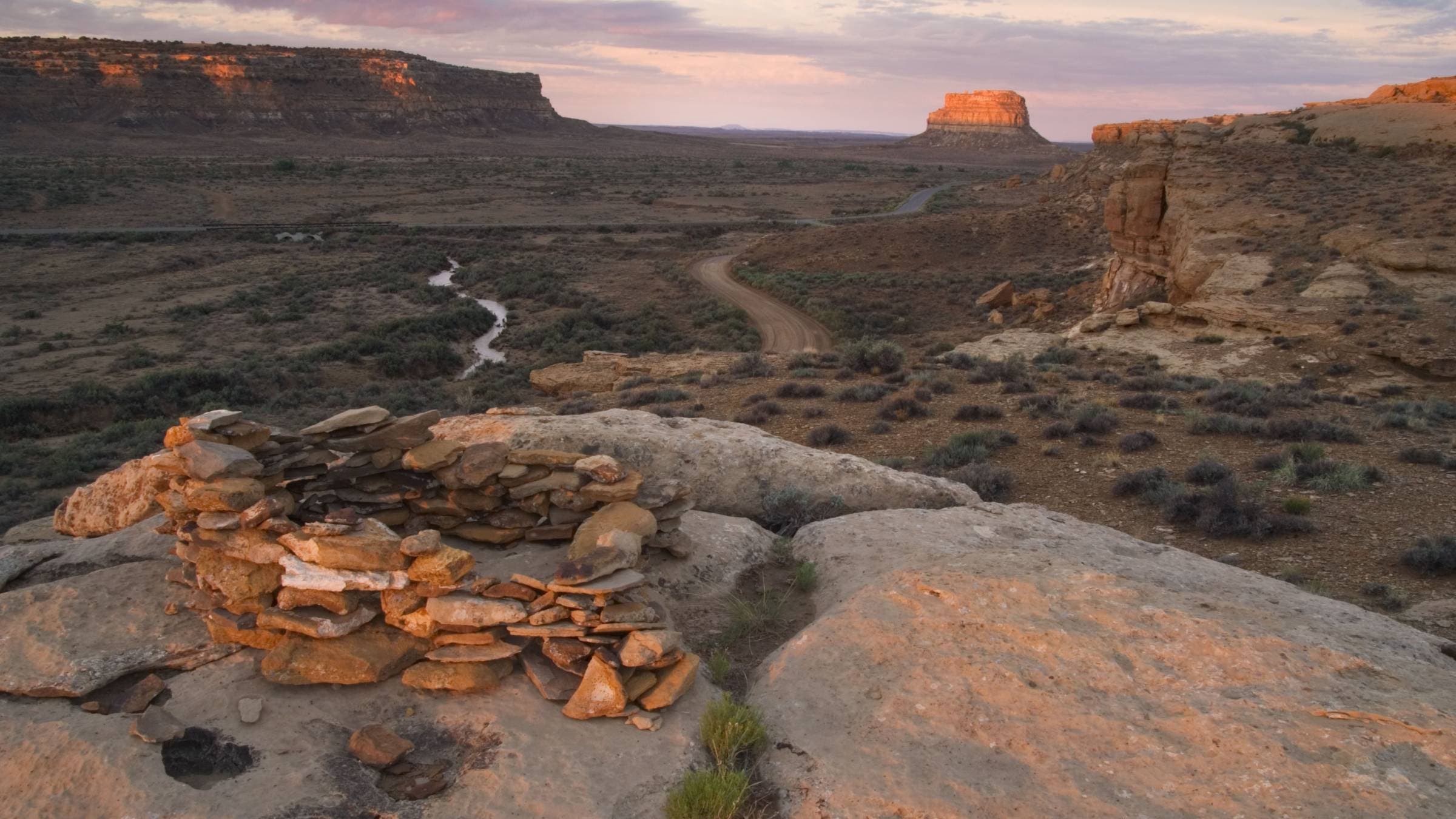
A “hike of a lifetime” might immediately imply a physical challenge—a bucket-list hike like climbing a fourteener, thru-hiking the AT, or a hike that’s going to make you sweat and your muscles hurt. I did include a number of classically difficult hikes, but I also wanted to expand the definition beyond the physical. There are so many incredible hikes in the U.S. that aren’t necessarily long and difficult, but they will allow you to see migrating birds, or walk in the footsteps of ancient humans, or teach you a little-known slice of American history.
From Under-the-Radar Hikes to Far-Flung Treks
Every hike in this book was fascinating to me for one reason or another. North Dakota’s Maah Daah Hey trail has been used for centuries and traverses one of the most surreal badlands landscapes in the U.S.
ADVERTISEMENT
Arkansas’ Ozark Highlands Trail is still incomplete, but the 290 miles that exist today are largely due to the will of one persistent visionary and his army of volunteers. Alaska’s Curry Ridge to Kesugi Ridge Trail is in a state park, but provides incredible views to the country’s highest mountain: Denali. My favorite close-to-home trail, the 300-mile-long Superior Hiking Trail, literally runs along the perimeter of my backyard and will take me to the Canadian border.
The Most Brutal and Challenging Hike
The most brutal and challenging hike in the book is likely the American Discovery Trail because it is 6,800 miles long, starts in Delaware, crosses over the Continental Divide, and ends in California. It may not be as physically challenging as some of the other hikes in the book, but the toughest part is the mind-numbing nothingness through the parched deserts of Utah and Nevada.
The payoff, however, is that it also passes through 16 national parks, 14 national forests, and more than 10,000 sites of historical, cultural, and natural significance. I had only one year to write a book about 100 hikes, so I didn’t have time to do this hike.
ADVERTISEMENT
The scariest incident I had while reporting the book happened on North Dakota’s Maah Daah Hey Trail. We were on a cross-country road trip trying to fit six major hikes into a 21-day road trip. So we arrived at sunset and immediately took off to put some miles in on the Maah Daah Heh Trail that night. We hiked a few miles up a sandy wash, switchbacking up to the top of a mesa. We arrived at the top in perfect synchronicity with an incoming thunderstorm, one that we weren’t able to see coming until we reached the top. We were 100 percent exposed to the lightning and had nowhere to go for cover because the trail continued along the knife-edge ridge. If we turned back around we would be following the path of the thunderstorm.
On Overtourism and Trails Becoming Too Popular
I do think some trails are too popular. But some trail managers are actively addressing the problem. A great example is how Hawaii’s Department of Land and Natural Resources worked together with Kauai’s North Shore community to address the desecration of the Kalalau Trail, a difficult and technical trail that hugs the coast of the Pacific with crashing waves far below.
After descending into and ascending out of five river valleys for a total elevation gain of 2,500 feet in 11 miles, it dead-ends at an isolated sub-tropical paradise, where native Hawaiians farmed in isolation for centuries. Until recently, more than 3,000 people per day set out on the trail. But in 2018, Kauai had a debilitating flood, the silver lining was that it allowed the state to close the trail and the park to redesign the infrastructure in such a way that access to the trail has been greatly restricted. Instead of hikers parking along a narrow and busy road, they now have to reserve a shuttle in advance from Princeville. They also have to buy, in advance, an entry pass for the state park that allows hikers only access to the first two miles of the trail. Anyone camping overnight needs an additional permit that they must reserve in advance, too. So they’ve built in multiple layers of protection for the trail, which now sees two-thirds fewer daily visitors, around 900 hikers per day. Plus, if the weather gets dangerous, they can stop the shuttle, which effectively closes the trail.
ADVERTISEMENT
For the book, I chose trails in all 50 states and U.S. territories. Some of them are unknown outside their region, others are hikes many people dream about doing in their lifetime. With every trail in the book, I try to point out the realities and risks of hiking it. In some cases, that means you may not get a permit to hike it for years. In other cases that means strategizing about the best season to go to avoid a crush of spring breakers or summer travelers. In other cases it means the trail is so far out there that you’ll be on your own if something goes haywire.
How to Be a Responsible Hiker
Read the history. Who used the trail centuries ago? What is its cultural significance? It may have been a thoroughfare for Ancestral Puebloan people or a trail the Nez Perce took to escape their captors.
Research the caretakers. Most major trails have a “friends group” in need of volunteers or funding. For example, the majority of volunteers for the Superior Hiking Trail live in the Twin Cities—at least three hours away—but they give their time to maintain the peace and respite the trail provides.
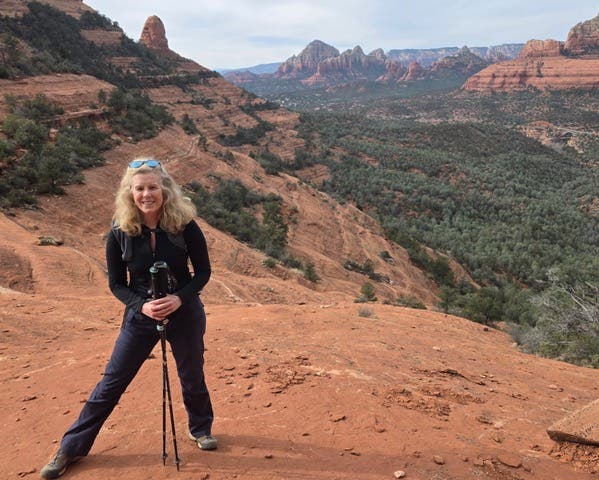
Offset your usage. If visiting Sedona, go in January or February (the least-visited months), take shuttles to the trailhead, and skip the most overused paths.
Respect wildlife. Pack out your garbage and waste. Give animals a wide berth and remember they have excellent hearing—there is no need to shout or play loud music.
Be kind. Respect other people’s space and peace.
ADVERTISEMENT
My Biggest Takeaway From Writing “100 Hikes of a Lifetime”
Writing this book made me realize how much vision, love, time, and backbreaking labor goes into building and maintaining every trail in this book. Some of us, myself included, tend to take for granted these trails and think that they’ve always existed and will continue to exist. But there’s an entire army of trail builders, park rangers, land managers, fundraisers, and volunteers who make these trails possible, especially in an era of decreased funding and increased natural disasters. I have a heightened level of gratitude for the work that goes into every trail in this book.
Responses have been edited for clarity and length.